
What does breathwork actually mean?
Most of us do not think about breathing until something draws our attention to it. We notice it when we run for a bus, laugh uncontrollably, feel nervous before a conversation or finally settle down after a difficult day.
Breathwork simply means working with the breath on purpose. You might slow it down, pay attention to its natural rhythm, or follow a particular pattern. Different practices have different aims. Some are used for relaxation and attention; others are part of meditation, movement or facilitated personal exploration.
It is useful to make one distinction early: not every breathing exercise is the same as Rebirthing Breathwork. A two-minute pause at your desk and a guided conscious connected breathing session can feel very different.
Different types of breathwork
1. Breath awareness
This is often the simplest place to begin. You sit comfortably and notice your breath as it is. You are not trying to change anything. You might notice where you feel movement: the chest, the ribs or the abdomen. When your mind wanders, you gently bring your attention back.
2. Slow, comfortable breathing
Some practices invite you to breathe a little more slowly, without forcing a large inhale or holding your breath. People often use this as a brief pause during a busy day. The important word is comfortable.
3. Breathing alongside movement
In yoga and other movement practices, breath can help you stay present as you move. Rather than chasing a perfect rhythm, you learn to notice how your body responds.
4. Conscious connected breathing
In connected breathing, the inhale and exhale follow one another without a deliberate pause. This approach is associated with Rebirthing Breathwork, but it is not the same as an ordinary relaxation exercise. Sessions may bring up strong physical or emotional sensations and require appropriate screening and experienced facilitation.
A gentle breathing practice for beginners
You do not need special equipment or a long routine to start noticing your breath. Try this short exercise when you are somewhere safe and comfortable:
- Sit in a relaxed position with your feet supported, or lie down if that is more comfortable.
- Let your shoulders soften. Notice the air moving in and out through your nose, if nasal breathing feels comfortable.
- Allow each breath to be natural. There is no need to pull in extra air.
- For one or two minutes, pay attention to the feeling of breathing. If your thoughts drift, simply return to the next breath.
- Finish by noticing how you feel, without judging whether the practice “worked.”
If you feel dizzy, tingly, distressed or short of breath, stop the exercise and return to your usual breathing. Do not practise while driving or in water.
What might you notice?
Some people feel calmer after a short practice. Others become more aware of restlessness, a busy mind or tension they had not noticed before. Neither reaction means you are doing it wrong.
Breathing exercises can be one part of looking after yourself, but they do not replace sleep, supportive relationships, movement or professional care when needed. There is no single breathwork method that works for everyone.
How is Rebirthing Breathwork different?
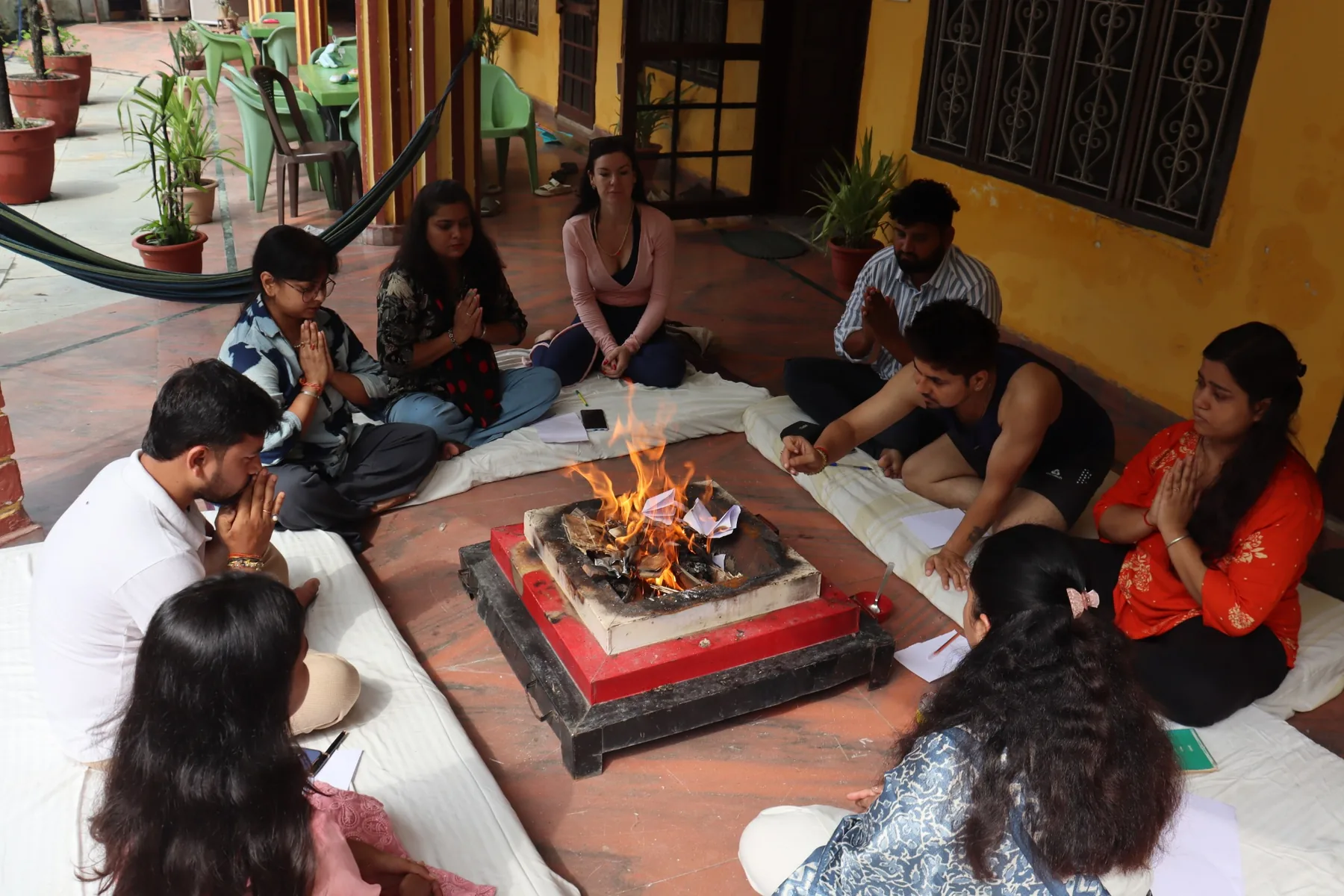
Rebirthing Breathwork is a more specific facilitated approach involving conscious connected breathing. Rather than simply following a short breathing exercise, participants work within a guided session with time for preparation, observation and integration afterward.
For some people, it becomes a way to explore their relationship with emotions, bodily sensations and personal patterns. Experiences vary, and claims about guaranteed emotional release or healing should be treated with care.
At Samvedna Spiritual School in Rishikesh, people can learn more about the approach through our introduction to Rebirthing Breathwork, explore an individual session, or read about the professional training pathway.
Curious about a guided experience?
You can ask questions about what happens during a session, suitability and preparation before deciding whether it is right for you.
Explore Rebirthing SessionsBreathwork safety: when to be careful
Gentle breath awareness is generally less demanding than intensive breathwork, but even simple practices can feel uncomfortable for some people. Avoid forcing breaths, prolonged breath-holding or rapid breathing just because a video tells you to.
If you have a heart or respiratory condition, a seizure history, are pregnant, or have significant physical or mental-health concerns, speak with an appropriate healthcare professional before trying intensive techniques. Tell a facilitator about relevant health conditions and medication before a guided session.
If a practice causes chest pain, faintness, marked breathlessness or severe distress, stop and seek appropriate medical help. Breathwork is not a substitute for diagnosis or treatment.
How to choose the right starting point
If you are completely new, start small. A few minutes of comfortable breath awareness may tell you more about your preferences than trying a demanding technique on your first day.
If you want to understand breathwork as a personal practice, explore the methods gradually. If you are considering facilitator training, look closely at the course structure, supervised practice, safety protocols and what its certificate actually represents. Our article on becoming a Rebirthing Breathwork facilitator goes into those questions.
Frequently asked questions
Is breathwork the same as meditation?
They overlap, but they are not identical. Meditation may involve observing thoughts, sensations or the breath; breathwork deliberately uses or observes breathing as the central practice.
Do beginners need to breathe deeply?
No. For many beginners, comfortable and natural breathing is a better starting point than taking unusually large breaths.
How long should a beginner practise?
Even one or two minutes of comfortable breath awareness is a reasonable start. Consistency and comfort matter more than duration.
Can breathwork cure stress or anxiety?
Breathing practices may support relaxation or self-awareness, but they are not a guaranteed cure. Persistent or severe symptoms deserve qualified professional attention.
Can I join a Rebirthing session without previous experience?
Beginners can enquire, but suitability should be discussed with the facilitator first. A responsible session includes explanation, screening and space for questions.
Leave a Comment
Have a question or want to share how you use breathing in daily life? Leave it below. Your email will never be shown publicly.